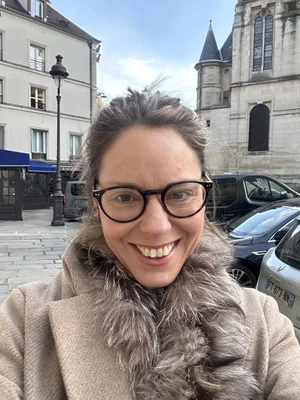
I came away from the CLA Rural Business Conference in Westminster last week with plenty to think about.
There were some brilliant speakers, challenging conversations and, importantly, a real sense of the opportunities and challenges facing the agricultural industry.
But one theme kept coming back to me.
Agriculture is about so much more than what happens on the land. It is about the people behind the businesses.
We talk a lot about productivity, profitability, succession, technology and the future of farming. All important conversations. But how often do we stop and think about the people who make these businesses work?
The farm manager, the team working long hours during harvest, the next generation coming into the business, the office team keeping everything running, and the family members carrying responsibility behind the scenes.
These people are the foundations of agricultural businesses, yet developing and investing in them does not always receive the same attention as investing in machinery, infrastructure or technology.
You cannot feed hope
One comment from Gavin Lane really stuck with me:
"You can't feed hope."
It is a simple statement, but a powerful one.
We need to give people more than optimism about the future of agriculture. We need to create real opportunities, develop skills, provide direction and help people see where they fit into the bigger picture.
If we want to attract and retain good people, they need to see a future for themselves within the industry.
That means investing in people, giving them opportunities to grow and creating working environments where they feel valued, trusted and able to contribute.
Showing the reality behind the farm gate
I also really enjoyed hearing Sophie Gregory and the way she brings everyday farming to life.
There is still a huge gap between what happens within agriculture and what the wider public understands about it.
We have a responsibility to tell that story, to show the people, the decisions, the challenges and the passion that sit behind the food we produce.
But I think there is another conversation here, too.
How well do we communicate within our own businesses?
Do our teams understand the bigger picture? Do they know what the business is working towards? Do they feel involved in decisions and understand the contribution they make?
Good communication is not simply about passing on information. It is about helping people feel connected to the business and understand their role in its future.
The future starts with the people we have today
There is so much discussion around succession and the next generation in agriculture. But developing future leaders cannot simply be something we think about when someone is ready to take over.
It starts much earlier.
It is about recognising potential, giving people responsibility, developing confidence and helping individuals move from being technically brilliant at their job to becoming capable leaders of others.
Being a good farmer, engineer, agronomist or business owner does not automatically make someone a good leader.
Leadership is a skill. Communication is a skill. Managing people is a skill. And like any other part of the business, these skills need investment.
I see huge opportunities for agricultural businesses to strengthen their teams by putting more focus on developing the people they already have.
That means helping leaders communicate with confidence, manage difficult conversations, understand what motivates their teams and create environments where people can do their best work.
A conversation worth having
I left Westminster feeling positive about the passion, ambition and commitment within the agricultural industry.
But I also came away thinking that we need to keep bringing the conversation back to people.
We cannot talk about the future of farming without talking about the people who will make that future happen.
So perhaps the question for agricultural businesses is:
Are we investing as much in developing our people as we are in developing our businesses?
Because the two go hand in hand.
And sometimes, the most important investment you can make is not another piece of equipment or another piece of technology. It is the person standing beside you, who has the potential to make an even bigger contribution with the right support and development.